1 / 5

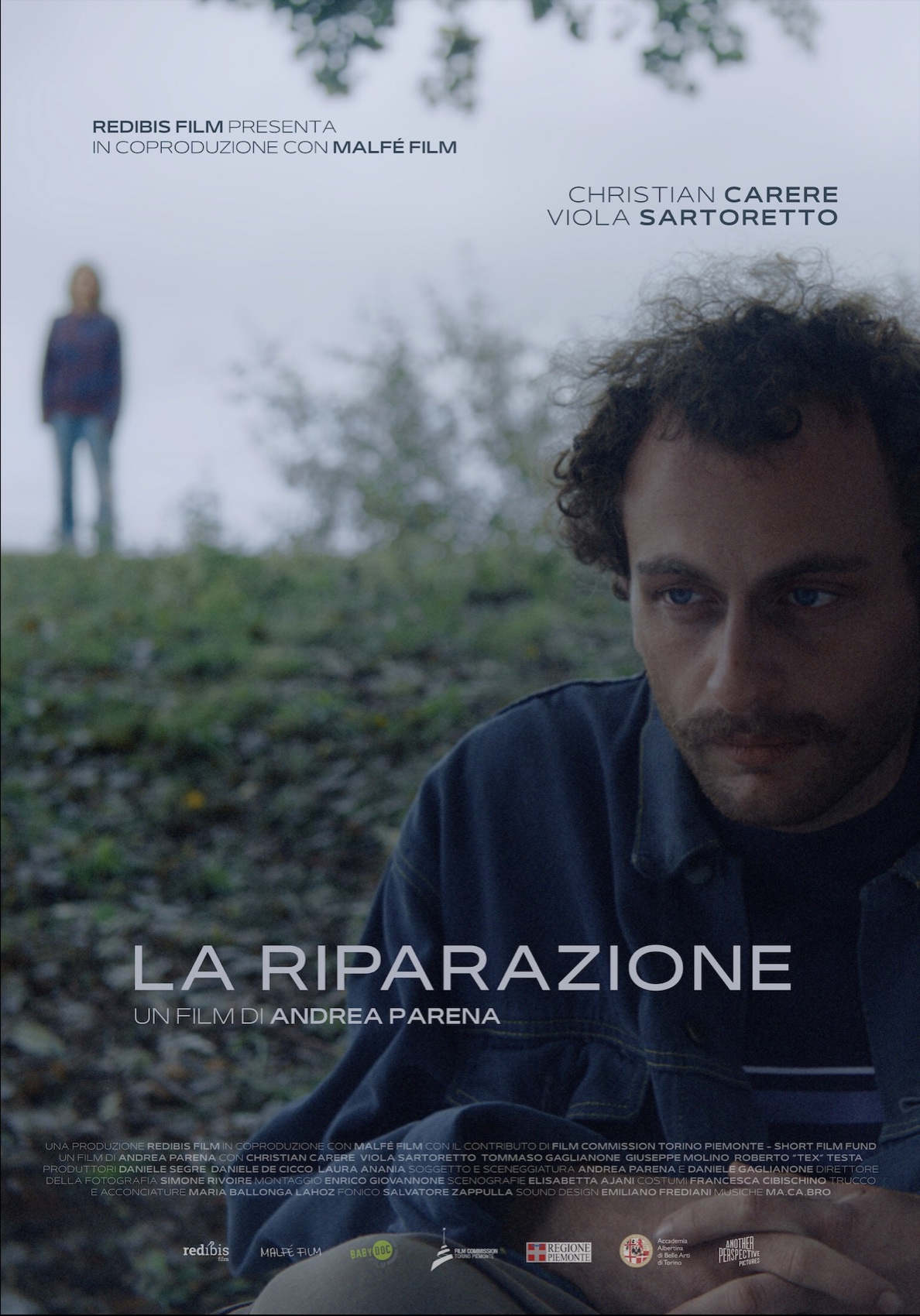
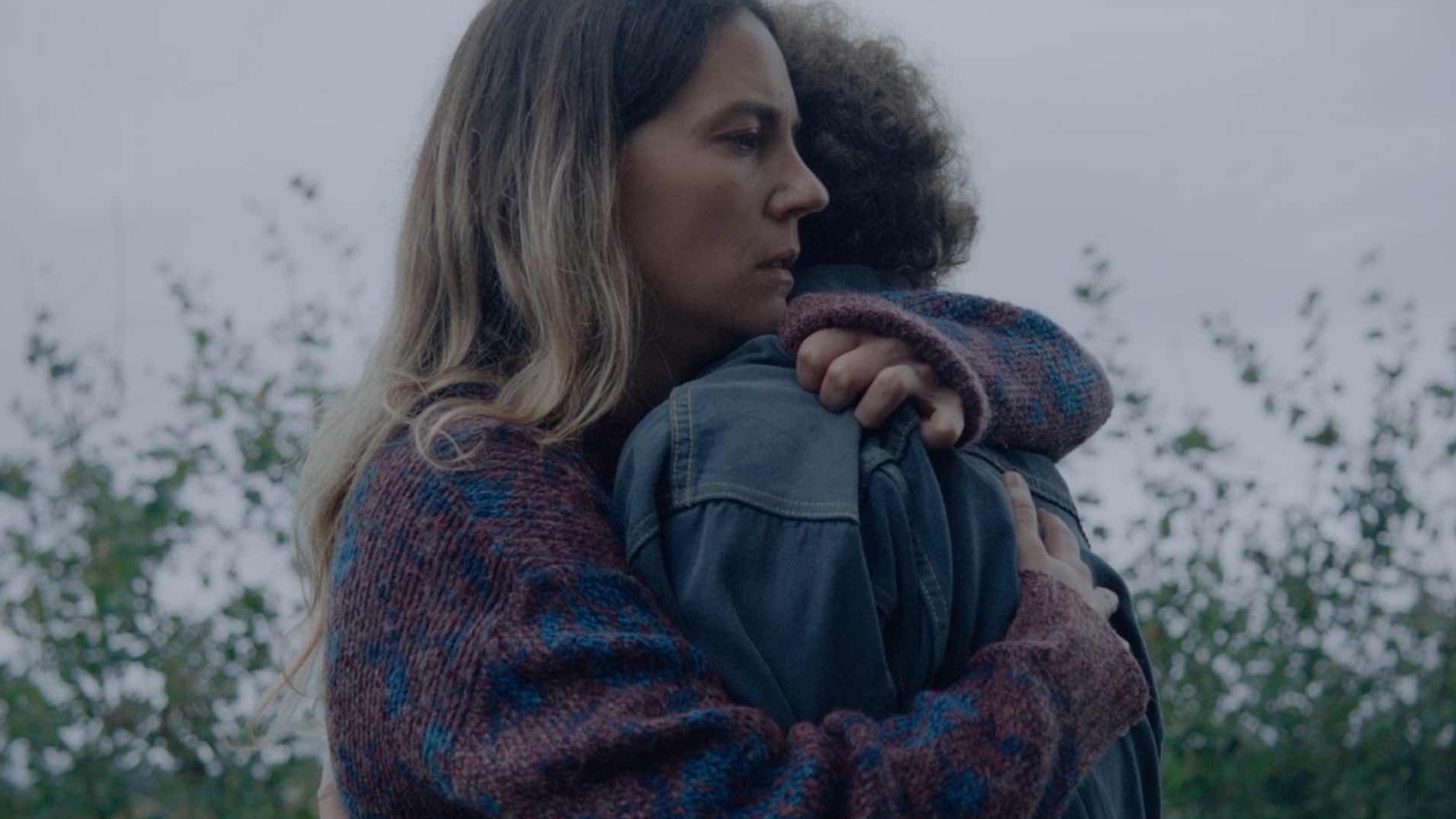
A plain under a grey sky at the beginning of autumn, fields sunk in fog and artificial ponds in a flat rural landscape. This is the world inhabited by Luca, twenty-five, lonely and silent. After working as a mechanic in a workshop that repairs agricultural machinery, he wanders among the few isolated farms and stables. He deals drugs in the nearby livestock sheds. He moves almost like an automaton, without looking around, while the countryside merges with his suffering, its blurred contours expanding his anguish. Then Silvia arrives, a girl slightly older than him. Her presence unsettles Luca, whose state of mind is already shaken and fragile. The pain he carries inside binds him to her, returned after having gone away. When Silvia asks him to repair an old moped damaged in an accident, Luca is forced to face his past, the trauma that imprisons him, and chooses to confront it.
La riparazione marks a first step in Andrea Parena's path toward fiction filmmaking, bringing into the narrative themes, professional relationships and stylistic explorations developed through documentary practice.
At the centre of the film is the possibility of rebirth. Luca moves through the overcoming of a state of suffering tied to an unresolved guilt: his encounter with Silvia allows him to recognise that wound and begin to heal it.
The rural landscape is not a backdrop, but a mirror of the protagonist's inner life. The open spaces describe, by contrast, his imprisonment inside a shell of anguish and his gradual return to a possible relationship with the world.